Comparison
Unitree G1 vs H1
Updated June 25, 2026
Both the Unitree G1 and H1 are flagship humanoid robots, but they target very different buyers. The G1 is a compact, agile and far more affordable platform built for developers, labs and enthusiasts; the H1 is a full-size, high-power machine aimed at enterprise and the most demanding dynamic-motion research. Here's how they compare.
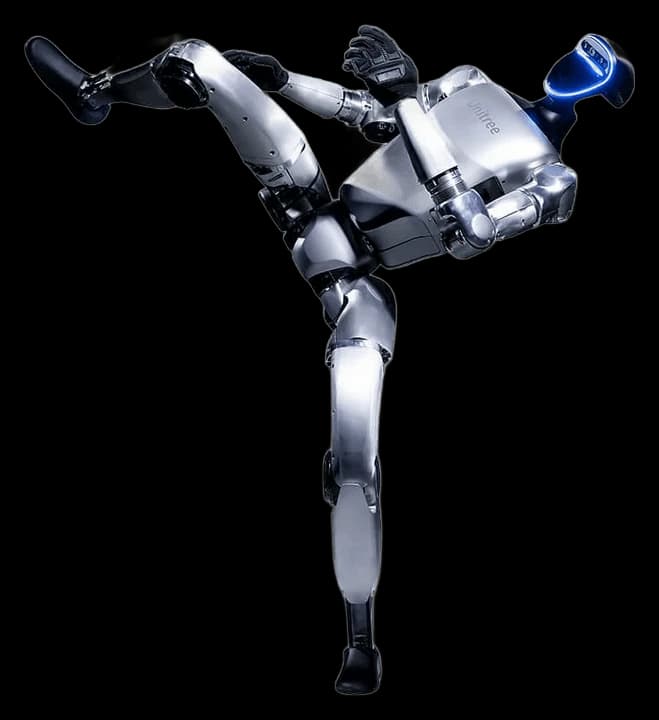 | 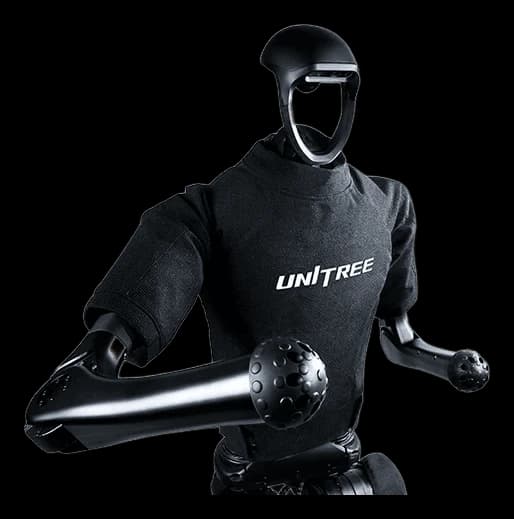 | |
|---|---|---|
| Starting price | $13,500 | Price on request (enterprise) |
| Class | Compact agile humanoid | Full-size performance humanoid |
| Height | ≈ 1.32 m | ≈ 1.8 m |
| Weight | ≈ 35 kg | ≈ 47 kg |
| Peak joint torque | up to 120 N·m (knee) | up to 360 N·m |
| Peak speed | Agile walk & run | up to 3.3 m/s |
| Degrees of freedom | 23 – 43 | Full-size high-torque joint set |
| Perception | Depth camera + 3D LiDAR | 360° depth + LiDAR |
| Dexterous hands | Optional Dex3-1 three-finger hands | Optional |
| Best for | Developers, research labs, enthusiasts | Enterprise & dynamic-motion research |
The verdict
Choose the G1 if you want the most capable humanoid you can actually buy and develop on today — it's lighter, cheaper and built for embodied-AI experimentation. Choose the H1 if you need full human scale, maximum joint power and top-end speed for enterprise or demanding research, and pricing is secondary to performance.
Frequently asked
The G1 is significantly more affordable, starting at $13,500. The H1 is an enterprise-grade platform sold on a quote basis, and costs considerably more.
The H1 is one of the fastest full-size humanoids in the world, reaching up to 3.3 m/s. The G1 prioritizes agile, precise walking and running over outright top speed.
The G1 is the better developer platform: it's lighter (≈35 kg), more affordable, offers 23–43 degrees of freedom and supports optional dexterous hands, making it ideal for embodied-AI work.